Student Readiness: 7 Honest Answers to What Report Cards Hide
Reviewed By: Dr. Jill Hollander
8 minutes
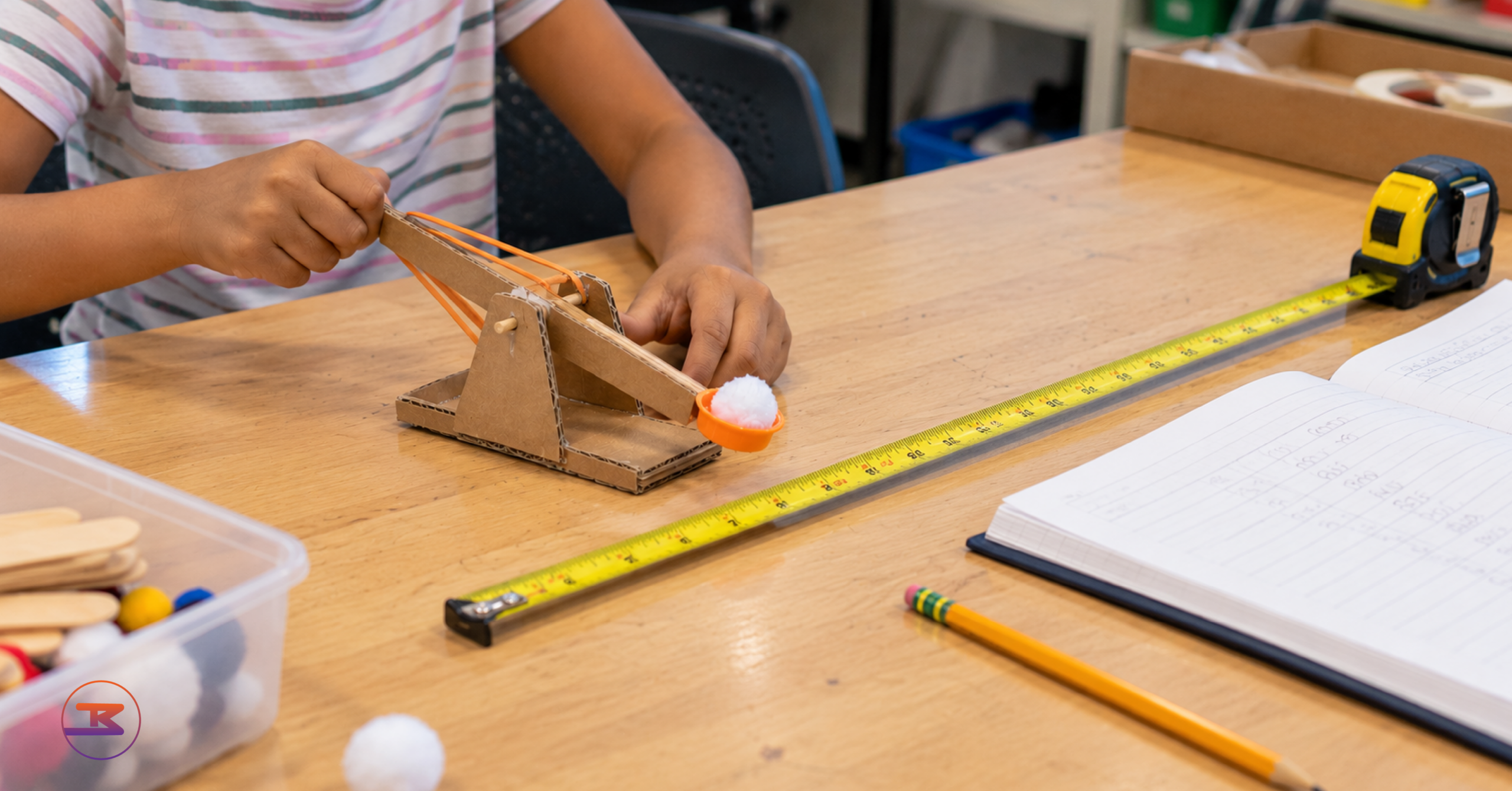
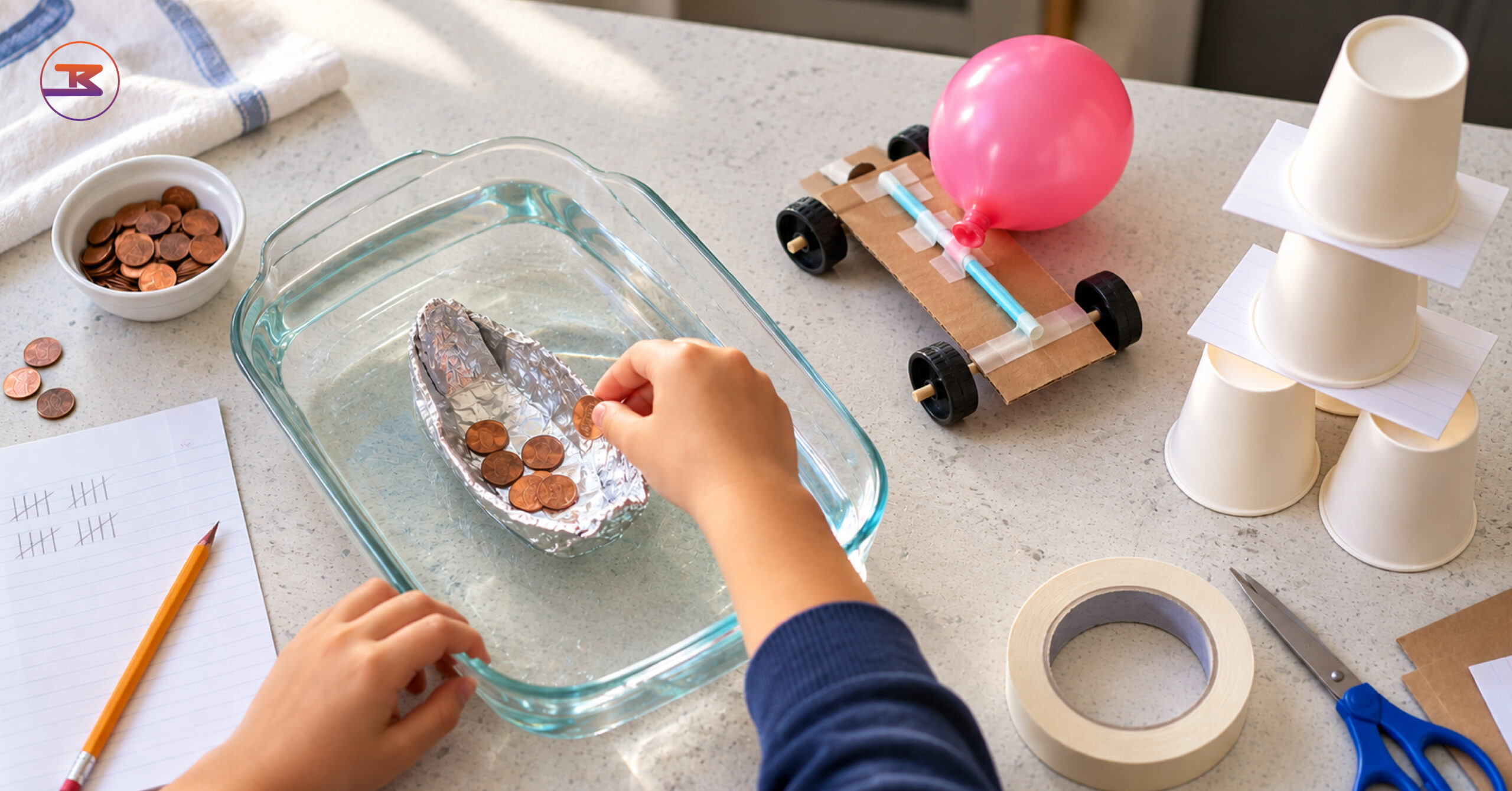
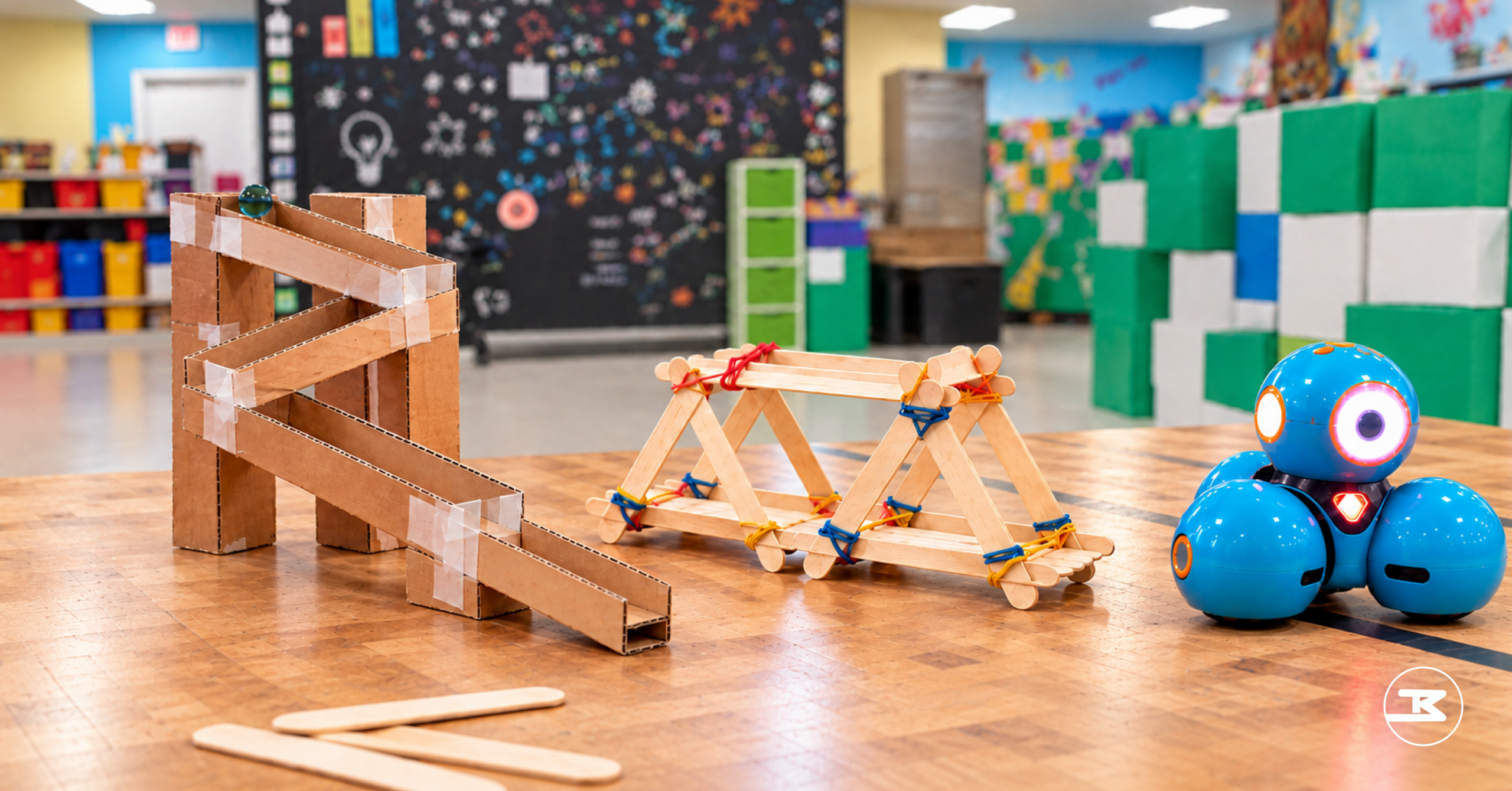
Child testing a cardboard catapult and measuring each launch, building student readiness through hands-on work
Grades show what a child finished last term. This post explains the other half: how a child handles new, harder work, which skills employers and educators name, how readiness is built through doing, how it is observed, and what remains unproven.
Table of Contents
Student readiness is whether your child can take what they already know and use it on harder, unfamiliar work. A report card shows how last term’s assignments went; student readiness shows what happens when the next problem looks nothing like the worksheet.
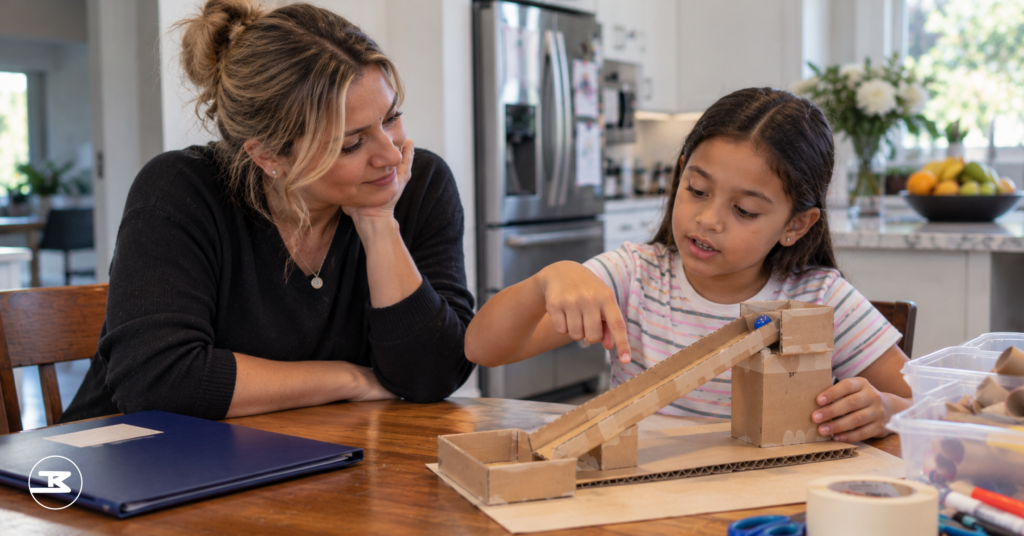
Child explaining a cardboard marble ramp to a parent, with a report card set aside, showing student readiness beyond grades
What is student readiness?
Student readiness is a child’s ability to carry knowledge and skills into new work that is harder or less familiar than what came before. It covers three things: what the child knows, what they can do with it, and how they act when the work goes wrong. A grade records the first part well.
Picture two sixth-graders with the same B in math. One can explain why dividing by a fraction makes a number bigger. The other memorized the flip-and-multiply rule. On the unit test, they score the same. Hand both of them a recipe to scale from 4 servings to 10, and only one finishes without help. That difference is student readiness, and the report card shows them as twins.
Why can a child earn good grades and still not be ready?
A grade measures performance on work that was already taught, in a format the child already practised. Student readiness shows up later, on work nobody rehearsed. The two often line up, but a grade by itself does not confirm the second one.
Driving gives the clearest example. A teenager who passes the licence test has shown the rules and a set route. A study of new drivers’ collision records found that crash rates drop most sharply during the first six months of driving (Mayhew, Simpson & Pak, 2003). The test certified the driver. The first months on real roads built the skill, and the authors point to graduated licensing as a way to let that learning happen in a more forgiving setting.
Grades still belong in the picture. They are an honest record of what a child absorbed, and a full view of student readiness keeps them as one marker among several. The gap opens when one marker is asked to stand for everything, including the moment a problem refuses to work.
Which skills make up student readiness?
Student readiness rests on a short list of skills that education bodies and employers name in nearly the same words: solving problems, communicating clearly, and working in a team. Subject knowledge sits underneath those skills, and the skills decide whether the knowledge gets used.
The OECD, which advises national education ministries, sets out three “transformative competencies” in its Learning Compass 2030: creating new value, reconciling tensions and dilemmas, and taking responsibility (OECD Learning Compass 2030).
Employers describe the same skills from the other end. In the National Association of Colleges and Employers’ Job Outlook 2026 Spring Update, employers said they most want to see teamwork, problem-solving, and communication from new graduates, and more than half of the 185 respondents listed ten or more skills (NACE, 2026). NACE describes a hiring market that weighs demonstrated skills over GPA and major.
One list is written for school systems. The other comes from the people who hire graduates. Both describe the same capabilities from opposite ends of a child’s education, and student readiness is the work of building them in the years between.
How is student readiness built?
Student readiness is built by doing real work, getting it wrong where mistakes cost nothing, and doing it again until the skill holds. Explaining how something works starts the process. Using it under changing conditions makes it last.
Does doing beat listening?
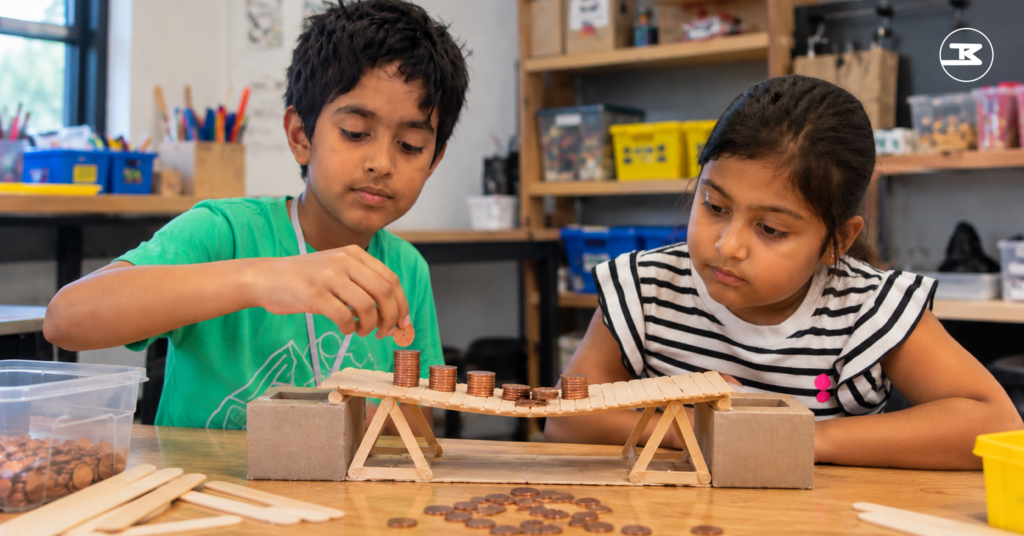
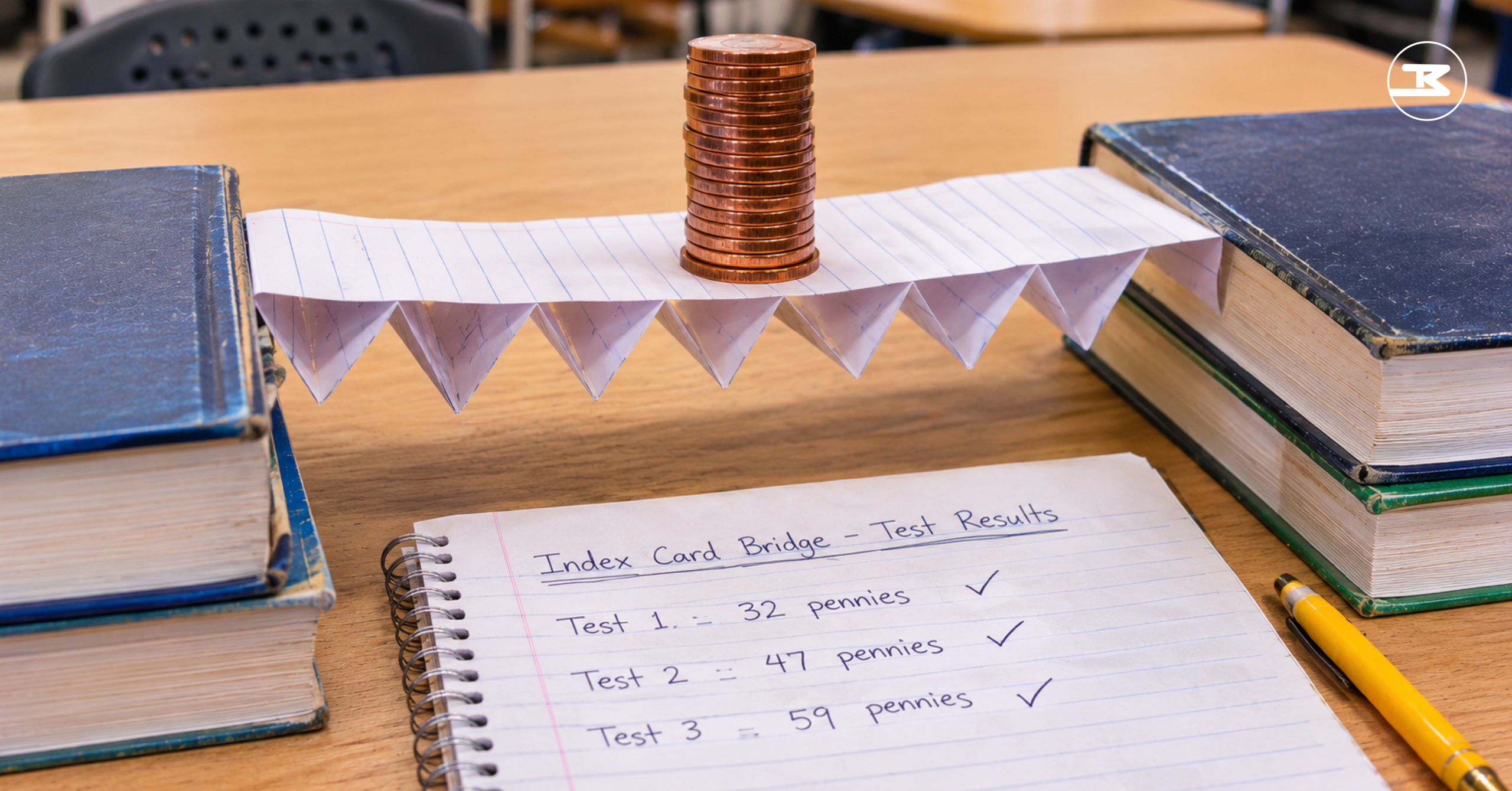
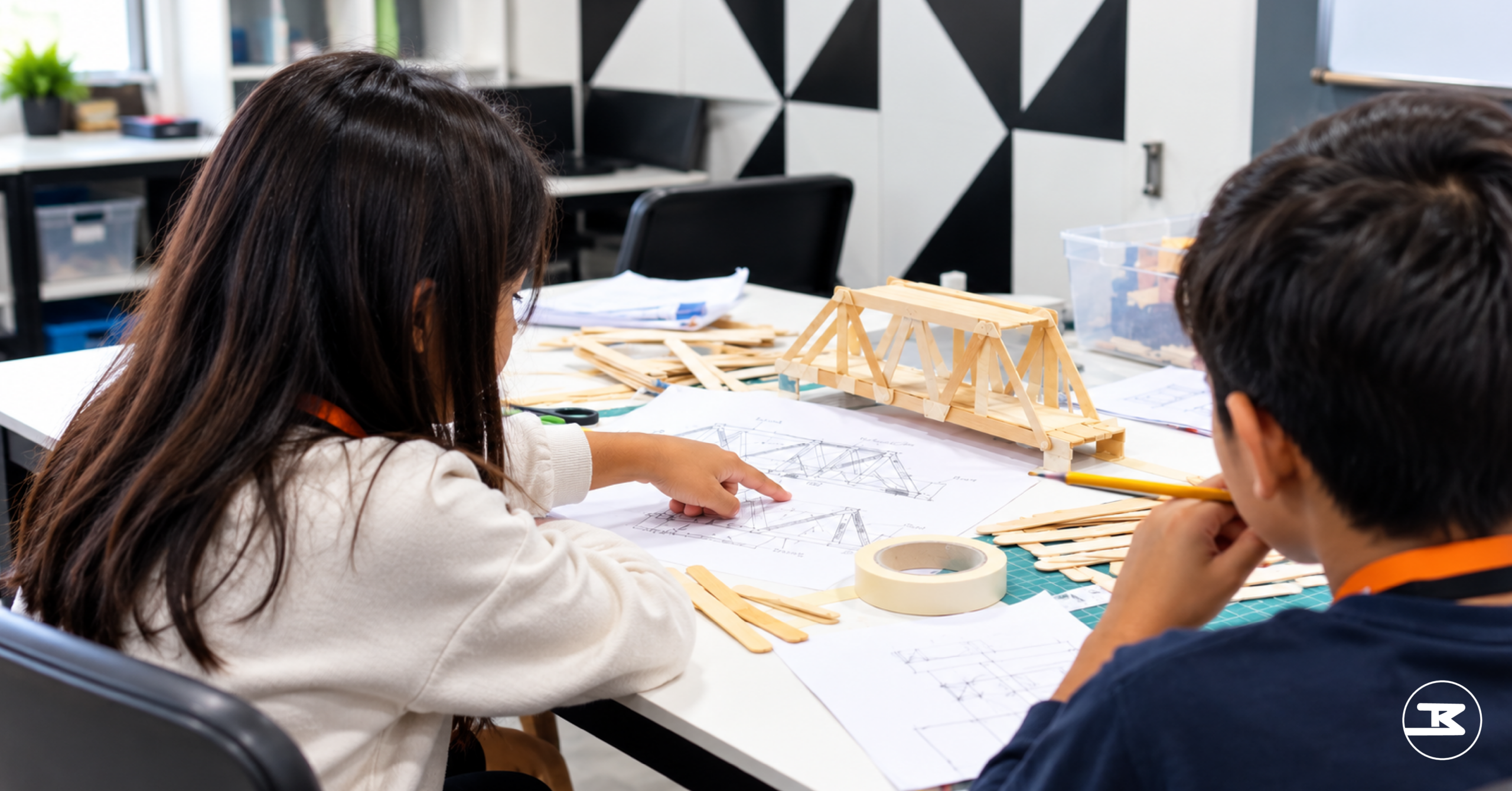
Yes, and the evidence is large. A 2014 meta-analysis of 225 studies of undergraduate science, engineering, and math courses found exam scores about 6% higher under active learning, and students in traditional lecture sections were 1.5 times more likely to fail (Freeman et al., 2014). The study covered college courses, not grade-school classrooms. It still sets a clear floor: same content, same exams, better results when students did the work. For a fourth-grader, doing the work means building a popsicle-stick bridge and loading it with pennies, not reading a page about triangles.
Does confidence come before competence?
No. Skill comes first, and belief follows it. A 2003 review in Psychological Science in the Public Interest found that the modest link between self-esteem and school performance does not show that self-esteem produces good performance; high self-esteem is partly the result of doing well (Baumeister et al., 2003). A child who has rebuilt the same sagging bridge three times stops doubting the fourth attempt.
Why does a child need room to get it wrong?
A child who never fails at something small meets difficulty for the first time when the stakes are high. The new-driver data above shows the pattern: the steepest learning happens in the first months under real conditions. Readiness work moves those first months earlier, to a workbench where a collapsed bridge costs one more try.
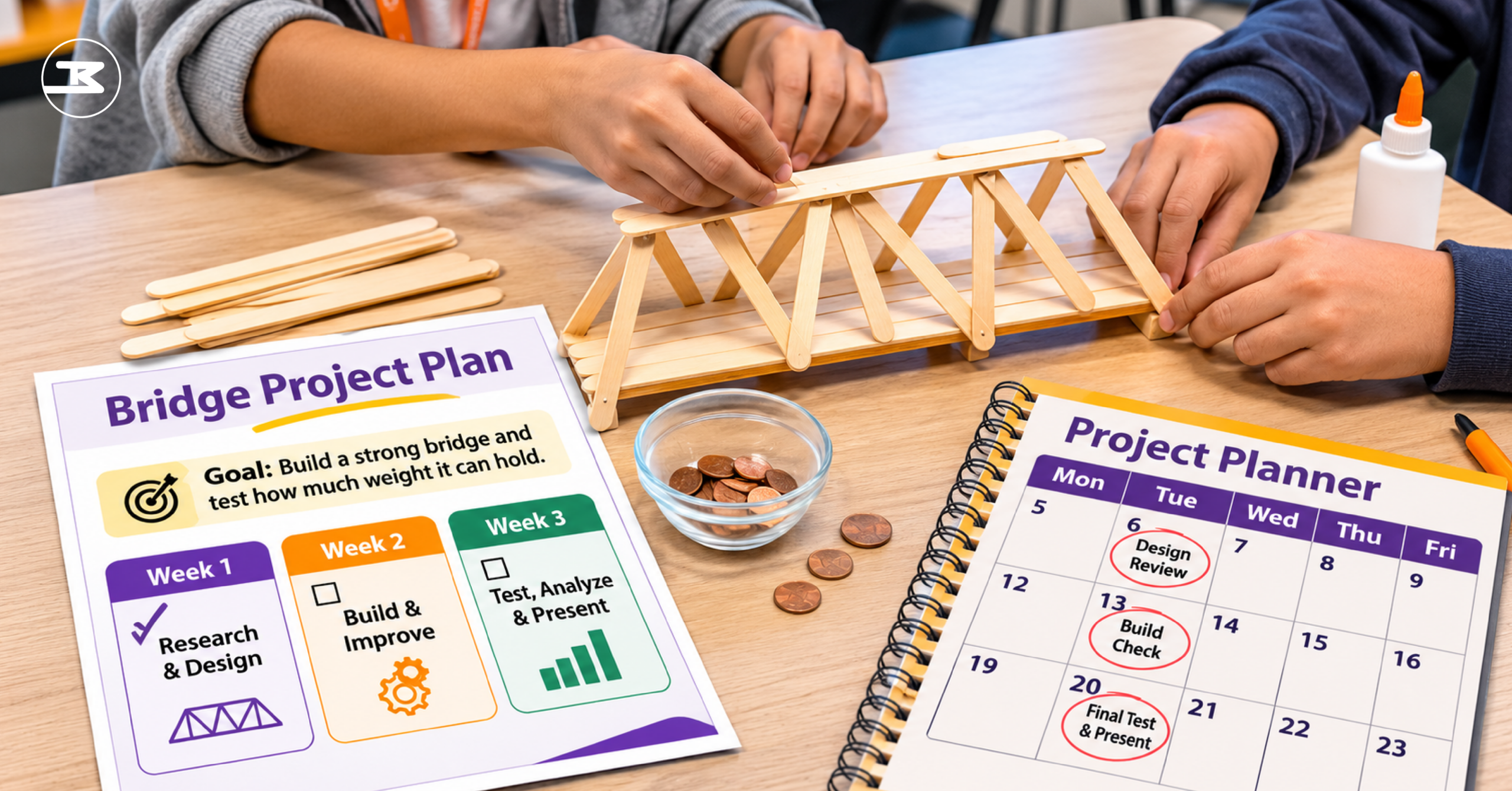
Two fourth-graders loading pennies onto a popsicle-stick bridge until the deck bends
How is student readiness measured?
Student readiness is measured with several markers at once: what a child knows, how they explain it, and what they do when a task goes wrong. A single test score records one of those markers. A trained observer watching real work records the rest.
Aviation learned this at real cost. The FAA’s guidance on crew resource management notes that pilot training once focused almost entirely on technical flying, while many accidents traced back to group decision-making, communication, and leadership (FAA Advisory Circular 120-51E, 2004). Airlines now train and assess those skills alongside flying itself.
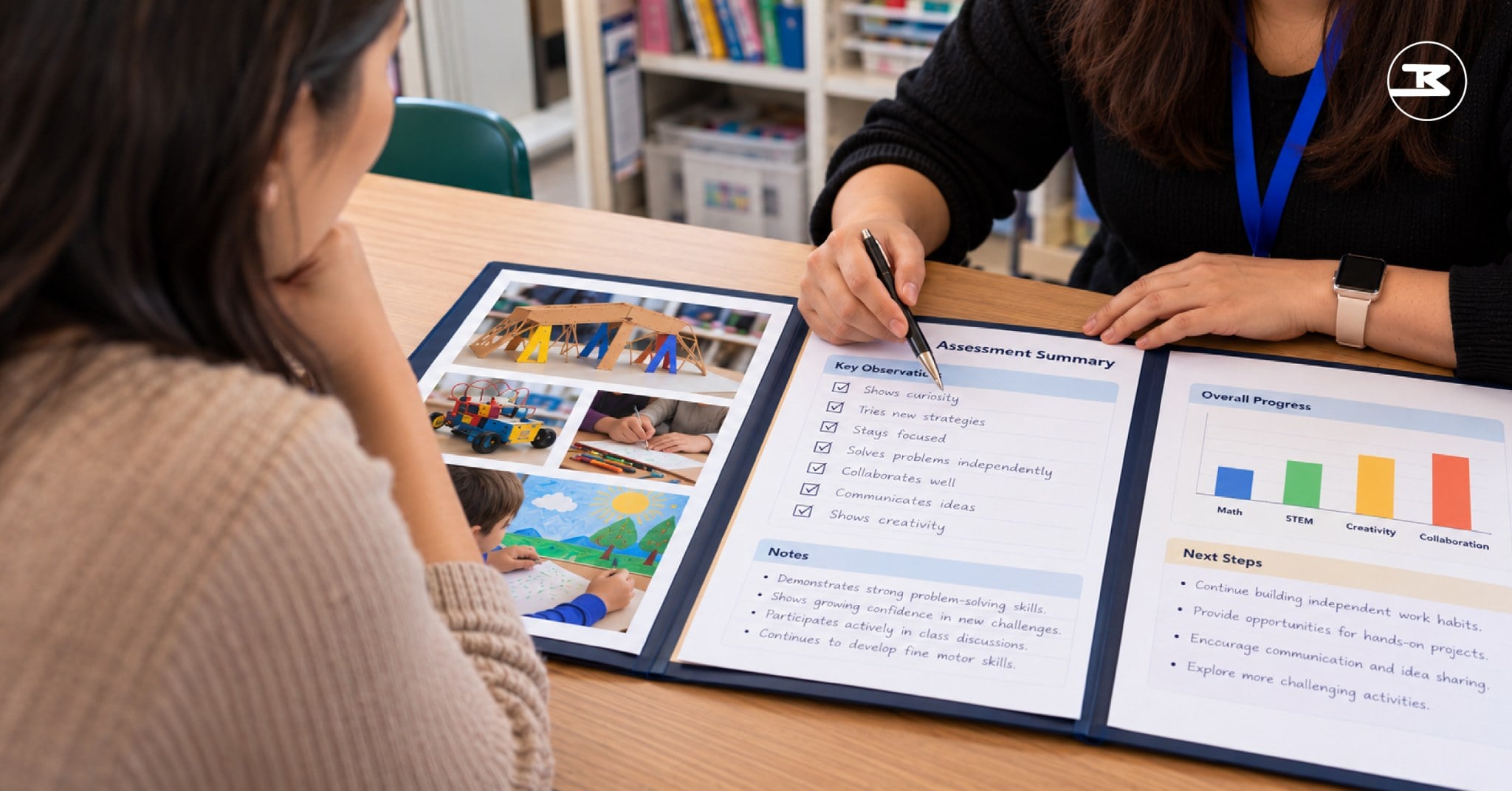
Big Brainbox in Frisco applies the same idea to school-age children, and it works alongside school rather than in place of it. State standards set the floor every child is guaranteed; applied projects build on that floor instead of repeating it. In the Big Brainbox Assessment, a child works through one chosen subject three ways: explaining aloud, working on paper, and working hands-on. Three channels let a child show what one channel would hide. There is no pass or fail. Parents receive a written report of strengths and gaps, then a consultation to walk through it.
As of 26-Oct-2026, the Big Brainbox Assessment lists the Assessment at $0.00, with each subject session running 45–60 minutes and the written report arriving within 48 hours, online or in person. If your child’s grades and your own sense of their readiness disagree, the Assessment gives you a second marker to compare.
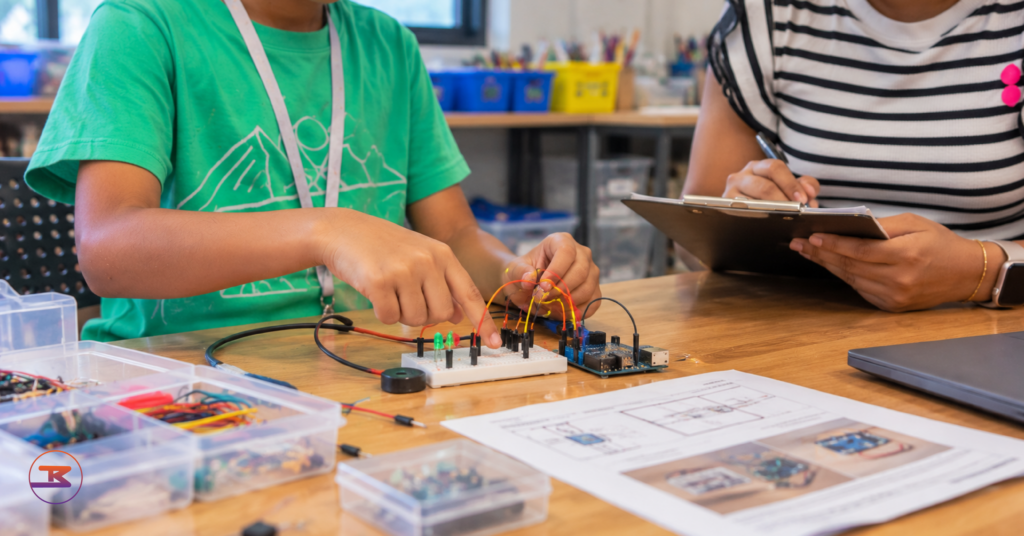
Instructor taking notes while a student explains a simple circuit build aloud during a one-subject assessment session
What can a parent watch for in grades K–8?
Parents read student readiness at home by watching what a child does with an unfamiliar problem, not how fast they finish a familiar one. Three signals carry the most information: whether the child explains why an answer works, whether they restart after a mistake without being told, and whether they use a school skill outside the subject it came from.
Grades K–2: Ask your child to teach you a game they learned at school. Watch whether they explain the rules in order or only show the moves.
Grades 3–5: Hand over a cookie recipe that needs doubling. Watch whether they reach for the fractions from school without a prompt.
Grades 6–8: Give them a weekend plan with three fixed times and one clash. Watch how they handle the clash before asking you.
Student readiness describes where a child stands now; it does not forecast a specific future. Airlines already assess these skills in adult crews, as the FAA guidance above shows. How strongly an early profile in an 8-year-old predicts later outcomes is not yet established.
Big Brainbox states that openly. Each child assessed adds to a record of which markers move with practice and which ones hold steady. Until that record matures, a readiness report is a map of today, not a forecast of who a child becomes.
The destinations stay open and plural: scientists, engineers, surgeons, teachers, founders, master tradespeople, and people who lead people. Which one a child chooses belongs to that child. Student readiness is about arriving equipped when they do.
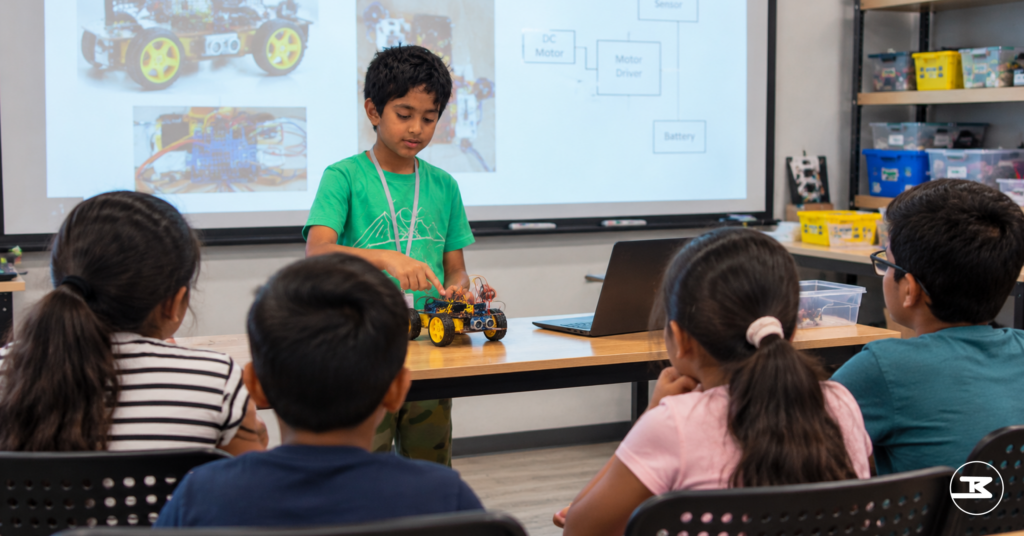
Middle-school student presenting a robotics build to a small group of classmates
Big Brainbox is a readiness education center in Frisco, Texas, working with students from K through 12th grade. Our instructors and curriculum team write these posts from what happens in the room: what a child builds, where a child stalls, and what changes when the work is real. We publish what we observe and cite what we borrow.