
Every parent imagines summer as a time of growth, a season where their child explores, learns, and returns more confident and capable.
But when summer actually begins, a different reality sets in. Screens take over, routines disappear, and children swing between boredom and overstimulation. The activities planned with good intentions often fail to hold attention or create real development.
The truth is simple: most summers don’t fall short because of lack of effort they fall short because they lack structure, engagement, and purpose.
This guide explains why that happens and what you can do differently.
1. Why Summer Doesn’t Work the Way You Planned
Before choosing activities, it’s important to understand the challenges most families face:
Screen dominance
- Kids naturally gravitate toward highly engaging digital content
- Unstructured time makes screens the easiest option
- Without alternatives, screen time expands quickly
Learning loss
- Children can lose academic progress over the summer
- Passive activities like workbooks rarely sustain interest
- Knowledge fades when it isn’t applied
Boredom turns into frustration
- Lack of direction leads to restlessness
- Restlessness often turns into behavioral issues
- Kids struggle to self initiate meaningful tasks
Untapped potential
- Many children are capable of more than school reveals
- Without challenge, they disengage
- Summer becomes a missed opportunity
Why it matters: If you don’t design summer intentionally, it defaults to low-value habits instead of meaningful growth.
2. What Effective Summer Activities Should Actually Build
Not all activities are equal. The best ones develop both thinking and real-world capability.
Activity Type, Focus, Outcome
- Unstructured play, Entertainment, Short-term engagement
- Structured activities, Skill development, Moderate growth
- Skill + purpose activities, Real world application, Confidence and independence
Children grow most when they are building, solving, and creating, not just participating.
3. 10 Screen Free Activities That Build Real Skills
These activities are simple, practical, and highly effective:
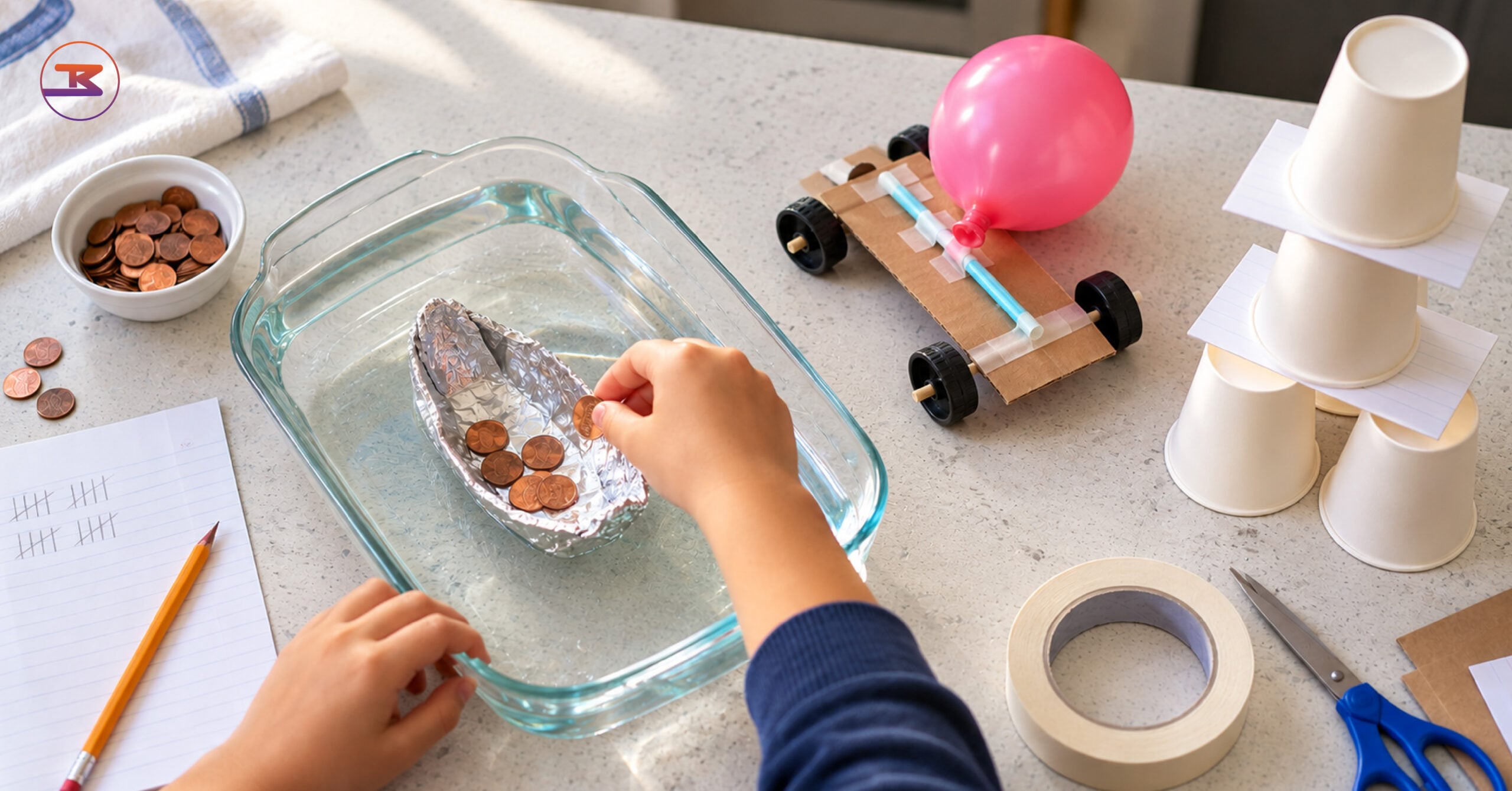
Build with constraints
- Example: tallest tower using only paper and tape
- Forces problem-solving and experimentation
Skills: Engineering thinking, resilience
Cook from scratch
- Let your child follow recipes and adjust when needed
Skills: Math, sequencing, independence
Nature journaling
- Observe plants, insects, and changes over time
Skills: Observation, scientific thinking
Run a lemonade stand
- Plan pricing, track sales, manage money
Skills: Financial literacy, initiative
Take things apart
- Explore gadgets and understand how they work
Skills: Mechanical reasoning, curiosity
Grow a garden
- Plan, plant, and maintain something over time
Skills: Responsibility, systems thinking
Create and perform a play
- Write and act out a short story
Skills: Communication, creativity
Solve a real household problem
- Organize spaces or improve routines
Skills: Problem solving, initiative
Learn independent navigation
- Plan routes and make decisions
Skills: Decision-making, confidence
Build a simple circuit
- Use basic kits to create working systems
Skills: Logical thinking, engineering basics
4. How to Know an Activity Is Actually Working
Real learning doesn’t look like constant fun.
Look for these signs:
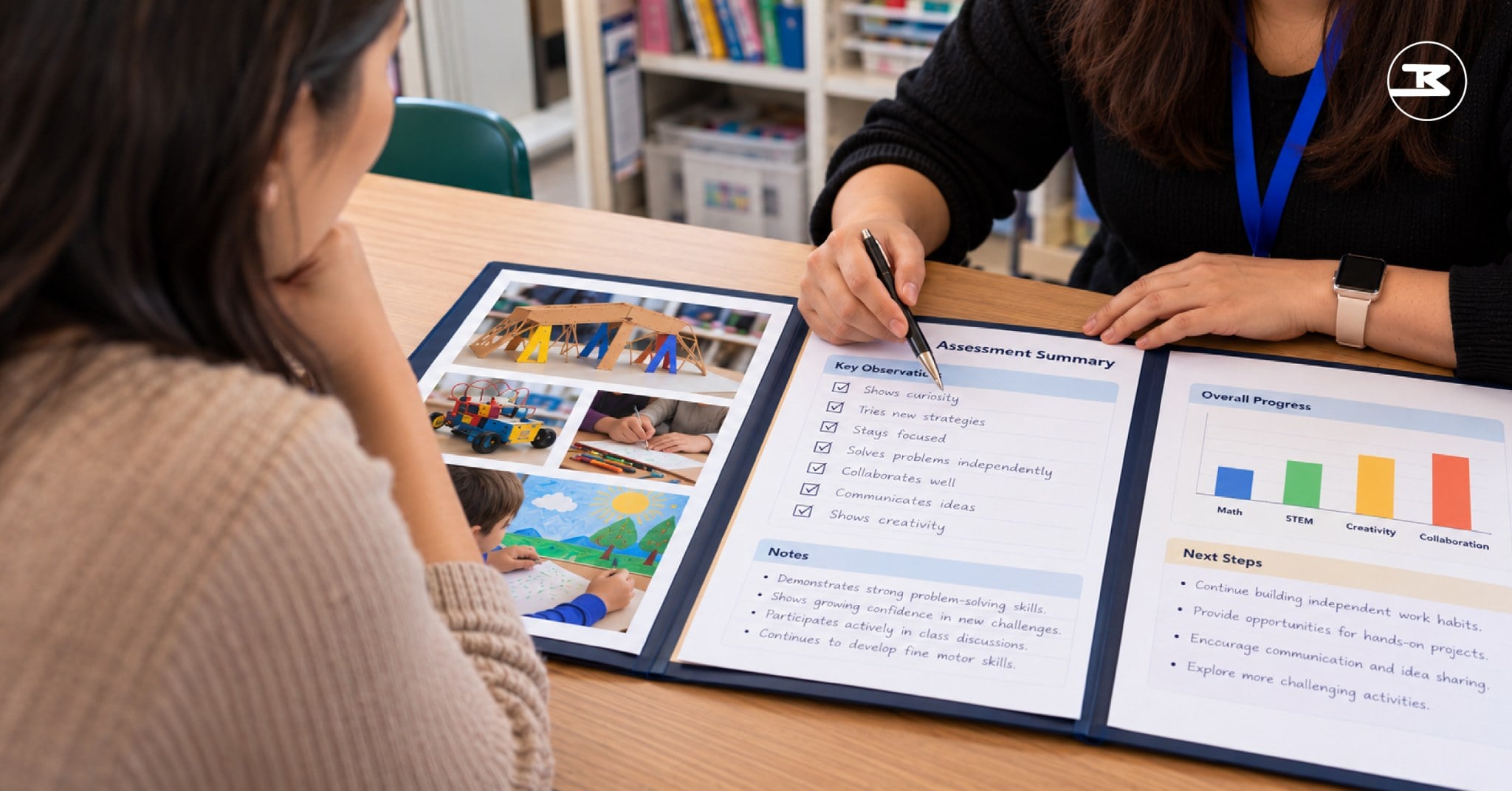
- Your child gets frustrated but keeps going
- They try different approaches
- They finish what they started
That process builds resilience, confidence, and real capability.
5. Why Structured Learning Still Matters
Home activities are powerful, but they work best when supported by structure.
Children need:
- Guidance on how to solve problems
- Feedback when they struggle
- A clear path to improvement
What sets Big Brainbox apart:
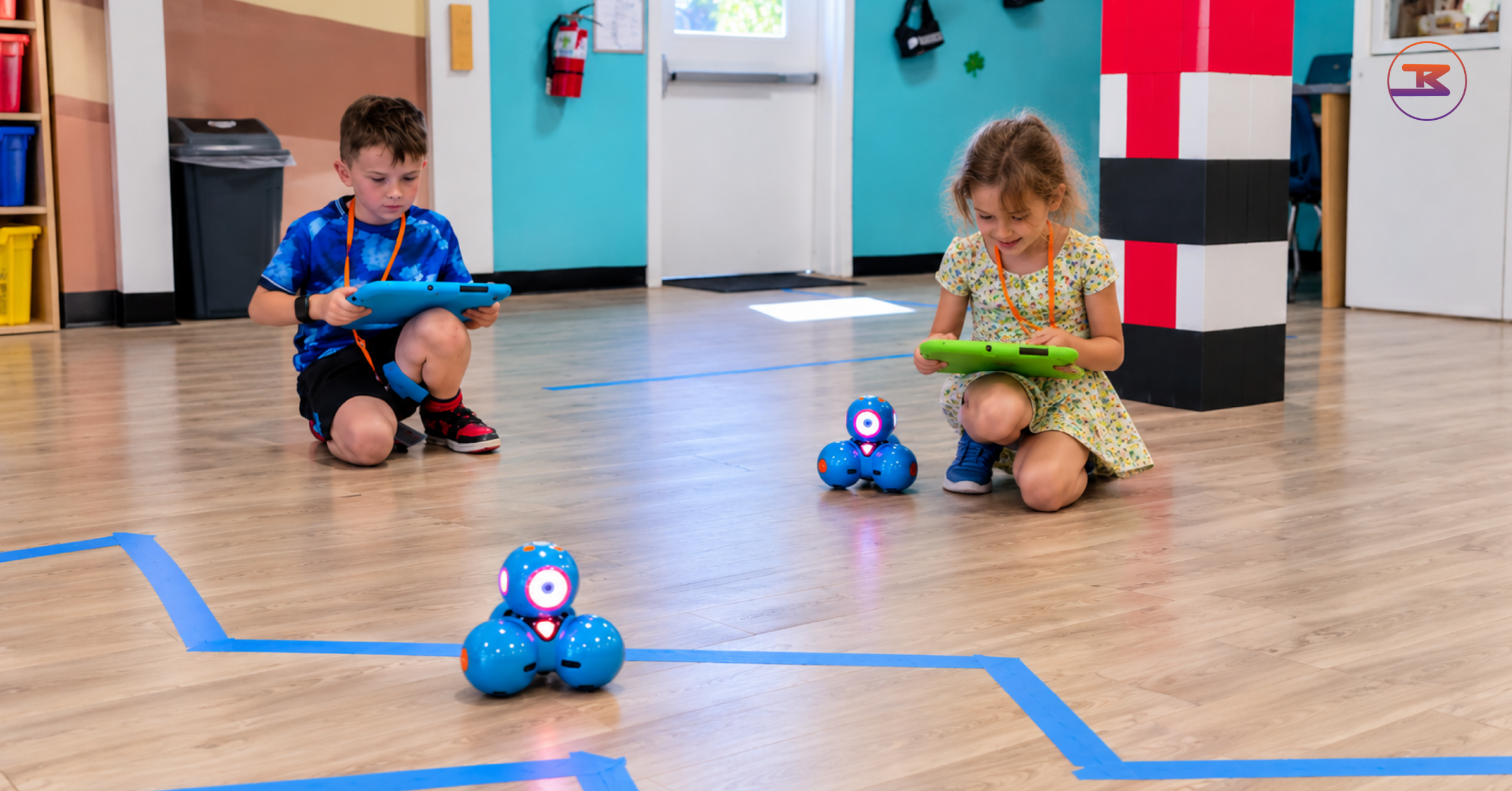
- STEM based programs including coding and robotics
- 6:1 student to instructor ratio
- Hands on, project-based learning
- Designed for ages 5 to 13
- Neuro Academy for diverse learning needs
- Structured discovery to build learning cycles
- Ongoing programs beyond summer
At Big Brainbox, children don’t just take part in activities, they build, create, and solve. They leave with skills, confidence, and a clearer sense of their abilities.
Ready to Create a Meaningful Summer?
The best summer isn’t the busiest, it’s the one that builds your child.
Explore the Big Brainbox STEM Summer Camp or book a free trial session to find the right fit for your child.